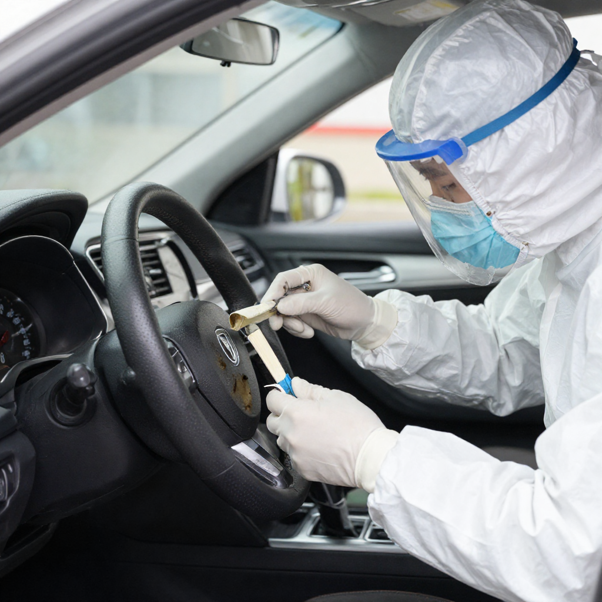
Summary: Flooded car mold removal can take three days to two weeks depending on contamination and damage severity. Proper restoration includes water extraction, insulation removal, drying, mold elimination, corrosion checks, electrical testing, and complete interior detailing. Professional restoration protects your vehicle’s safety, appearance, and long-term value.
The water has drained, and your car looks dry from the outside. Yet beneath the carpet, inside the padding, and behind panels, moisture may still be trapped. That is why immediate car mold removal services in Oakland are crucial after flood damage.
A flooded vehicle is not just a cleaning issue. It is a contamination problem involving bacteria, mold spores, dirty floodwater residue, damaged insulation, and possible electrical failures. The real question is not whether you should act quickly. It is how much damage has already started developing.
The Short Answer: How Long Does Flooded Car Mold Removal Actually Take?
Most flood-damaged vehicles require anywhere between three days and two weeks for complete restoration. The exact timeline depends on water level, contamination severity, drying conditions, and the condition of your vehicle’s materials.
A simple surface cleanup may take a day. However, a vehicle with soaked carpets, wet sound insulation, and hidden moisture needs a much deeper restoration process.
And here is what many car owners discover too late—what looks like a small damp spot can hide a much larger problem underneath.
Day 1: Emergency Water Extraction and Damage Assessment
The first 24 hours are the most critical after a flood. The faster standing water is removed, the better the chances of preventing widespread mold growth and permanent interior damage.
A professional restoration process usually begins with:
- Complete water extraction from carpets, seats, and floor areas.
- Moisture mapping using professional inspection equipment.
- Removal of mud, debris, and contaminated flood residue.
- Assessment of upholstery, leather, fabric, and interior components.
- Initial drying with high-powered air movers and dehumidifiers.
Floodwater often carries sewage, chemicals, and harmful microorganisms. Therefore, professional car mold treatment becomes necessary rather than basic vacuuming or air fresheners.
Days 2-4: Removing Soaked Materials and Deep Interior Drying
This stage determines whether your vehicle can be properly restored or if odors and mold will return weeks later.
Technicians may remove carpets, underpadding, insulation, and certain trim panels because these materials work like a sponge. They can hold moisture even when the surface feels completely dry.
It is similar to drying a thick towel. The outside may feel fine, but the center can remain wet for days.
Many owners ask how to kill mold in a car using household sprays. While temporary products may remove visible stains, they rarely reach hidden colonies inside foam, padding, ventilation channels, or insulation.
Days 3-7: Mold Removal, Sanitization, and Odor Elimination
Once the interior is exposed and dried, specialists focus on removing existing contamination. This involves targeted cleaning methods designed for delicate automotive materials.
Professional technicians treat:
- Carpet fibers and floor areas.
- Leather and fabric seating surfaces.
- Door panels and hard interior surfaces.
- Air vents and HVAC systems.
- Hidden areas where moisture collects.
The goal is not only to remove mold from car surfaces but also to eliminate the conditions allowing mold to return.
The frightening part is that mold can begin growing within a short period after water exposure. A vehicle that smells normal today may develop a strong musty odor days later.
Days 5-10: Corrosion Inspection and Electrical Component Testing
Flood damage does not stop with the interior. Water can reach electrical connectors, wiring harnesses, sensors, and electronic modules.
Technicians inspect critical systems, including lighting, power accessories, safety features, and onboard electronics. Early corrosion treatment can prevent expensive repairs months after the flood.
This step is especially important for luxury vehicles and high-performance cars because they contain advanced electronics and sensitive interior materials.
The Final Restoration Stage: Bringing Your Vehicle Back to Its Best Condition
Once the vehicle is completely dry and safe, the final restoration begins. This stage includes deep detailing, stain correction, surface protection, and interior refinishing.
High-end restoration specialists restore leather, sanitize fabrics, clean every detail area, and apply protective treatments designed to preserve the vehicle long-term.
For luxury owners, families, dealerships, and sellers, this process helps maintain comfort, appearance, and resale value.
When Should You Choose Professional Car Mold Removal Services in Oakland?
You should seek immediate professional help when you notice a musty smell, visible discoloration, damp carpets, water lines, or unusual electrical behavior after flooding.
Waiting can make a small restoration project become a major repair. Mold spreads quietly behind panels and underneath flooring before obvious signs appear.
Professional detailing and preservation specialists understand how different vehicle materials respond to moisture, contamination, and cleaning chemicals.
Why High-End Flood Restoration Is Worth the Time
Flood restoration is not about making a car look clean. It is about protecting every layer of the vehicle—from the visible interior to the hidden components underneath.
A rushed cleaning can leave behind moisture pockets that create recurring odors, mold growth, and corrosion. A careful restoration schedule ensures your vehicle receives the attention it actually needs.
At XLNC Auto Beauty, we provide expert flood restoration, advanced detailing, and long-term vehicle protection to help you recover your car safely and confidently.
Frequently Asked Questions
1. How quickly should I remove floodwater from my car?
You should start water extraction within 24 to 48 hours. Quick action reduces mold growth, material damage, unpleasant odors, and potential electrical problems.
2. Can a flooded car be completely restored?
Yes, many flooded vehicles can be restored with proper drying, sanitization, component inspection, and professional interior restoration methods.
3. Will the mold smell disappear after the car dries?
Not always. Hidden moisture inside carpets, insulation, or ventilation systems can continue producing odors even after surfaces feel dry.
4. Should I replace carpets after flood damage?
It depends on the contamination level and how long the water remained inside. Severely soaked insulation often requires replacement.
5. Are luxury cars more difficult to restore after flooding?
Yes, luxury vehicles usually have complex electronics, premium leather, and specialized materials that require experienced restoration techniques.