You step into your car. It smells… off. You clean the dashboard, wipe the seats, yet something lingers. Here’s the truth: your carpet holds more dust, pollen, and allergens than you think. A proper car wash clean carpet cleaning process does more than improve looks. It changes the air you breathe. And what hides beneath might surprise you…
Why Does Your Car Carpet Trap So Many Allergens?
Think of your car carpet like a sponge. It absorbs everything. Pollen from spring air, dust from roads, pet hair, food crumbs. Even moisture.
Now here’s the catch. Regular vacuuming only removes surface dirt. The deeper layers stay packed with allergens. Every time you drive, these particles rise back into the air. You inhale them without noticing. Sneezing, itchy eyes, stale smells. It builds slowly. You may not connect it to your car at all.
What Happens During a Professional Deep Clean?
A proper deep clean is not a quick scrub. It is a layered process designed to extract what your eyes cannot see.
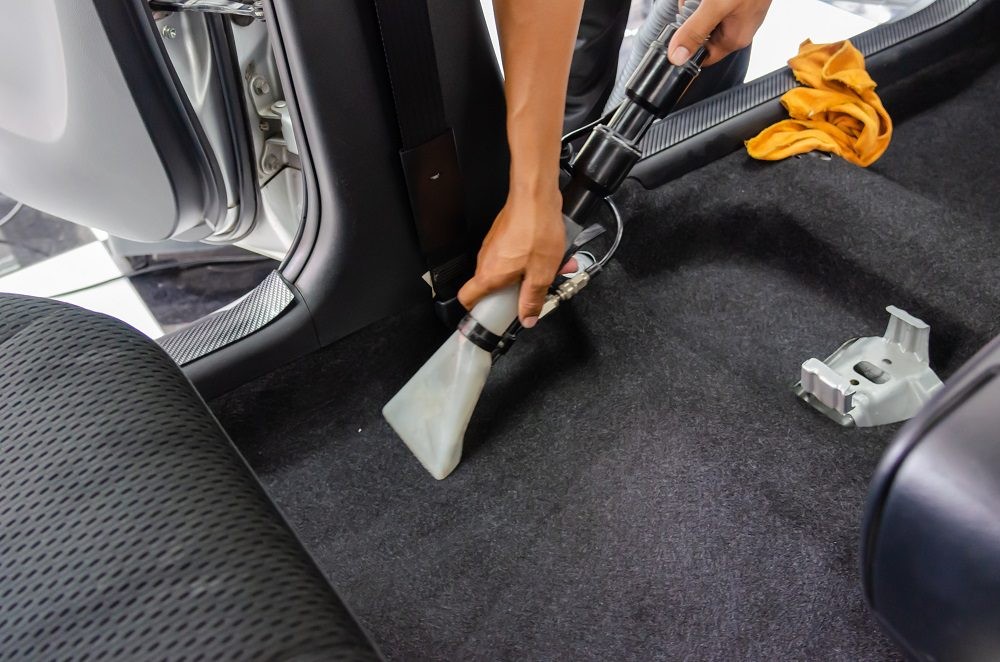
First, high-powered vacuum systems pull out loose debris. Then comes hot water extraction. This step pushes cleaning agents deep into fibers and pulls contaminants out. Steam and agitation break down sticky residues. Finally, moisture is removed to prevent mold growth. This is where most DIY attempts fail. You may wonder, how do you clean carpet in a car, but without professional-grade tools, you only clean the surface.
And here’s something most people miss… what happens if moisture is left behind?
How Does This Improve Cabin Air Quality Instantly?
Once deep contaminants are removed, the air inside your cabin changes almost immediately.
No more trapped pollen circulating with your AC. No more dust clouds when you step in. The air feels lighter. For families, this means fewer allergy triggers. For pet owners, less odor and dander. For professionals, a cleaner, sharper driving environment. It is like opening a window after a long time. Fresh. Clear. Noticeable.
What Makes Spring the Right Time for Carpet Deep Cleaning?
Spring brings beauty. It also brings pollen. Lots of it.
Your car collects pollen faster during this season than any other time. It sticks to shoes, clothes, and gets embedded in carpets. A seasonal reset helps remove winter buildup and prepares your car for warmer months. Skipping this step means you carry allergens all year. A quick clean won’t fix it. You need to go deeper.
What is the Best Way to Clean Car Carpet Without Damage?
Not all cleaning methods are safe. Over-wetting can cause mold. Harsh chemicals can damage fibers.
The best way to clean car carpet involves controlled moisture, pH-balanced cleaners, and proper extraction. Professionals use techniques that protect both the carpet and the vehicle’s interior structure. This matters more in luxury and performance cars where materials are premium.
It is not just cleaning. It is preservation.
What Hidden Risks Are You Ignoring Right Now?
Here’s the second twist. It is not just about dust or pollen.
Bacteria thrive in damp carpet layers. Spilled drinks, humidity, and dirt create a perfect breeding ground.
Over time, this can lead to odors that never go away. Even worse, it affects air circulation inside your cabin.
A simple surface clean will not fix this. Only a deep clean car carpet process removes the root cause.
So when your car smells fine after a quick clean, ask yourself. Is it truly clean… or just covered up?
How Mobile Detailing Makes This Effortless for You?
You are busy. Work, family, schedules. Taking your car to a shop is not always practical. Mobile detailing changes that. Professionals come to your location. They bring equipment, tools, and expertise. Your car gets treated while you work. No downtime. No hassle.
For high-end vehicles, this is critical. Proper care maintains value, preserves materials, and keeps your driving experience premium.
How Often Should You Deep Clean Your Car Carpet?
Twice a year works for most people. Spring and fall. But if you have pets, kids, or allergies, you may need it more often. Every 3 to 4 months keeps your cabin fresh and safe.
Pay attention to signs. Odors, stains, or increased dust. Your car tells you when it needs care.
Conclusion: Clean Carpet, Clean Air, Better Drives
A clean car is not just about shine. It is about what you breathe inside it. When you remove deep-seated allergens, you protect your health, improve comfort, and extend your car’s life.
At XLNC Auto Beauty, we focus on more than cleaning. We restore your interior to a state where it feels fresh, safe, and refined. That is the difference you notice the moment you step in.
FAQs
-
How does carpet cleaning affect car air quality?
It removes trapped dust, pollen, and bacteria. This reduces airborne particles inside your cabin, making the air cleaner and easier to breathe.
-
Can vacuuming alone clean car carpets properly?
No. Vacuuming only removes surface dirt. Deep layers still hold allergens, which require extraction methods to fully remove.
-
How long does a deep carpet cleaning take?
Typically 1 to 2 hours. Drying time depends on conditions but is usually quick with professional equipment.
-
Is steam cleaning safe for luxury car interiors?
Yes, when done correctly. Professionals use controlled heat and moisture to protect delicate materials.
-
Does deep cleaning remove odors permanently?
Yes, if the source is removed. Deep cleaning eliminates bacteria and residue that cause long-term smells.