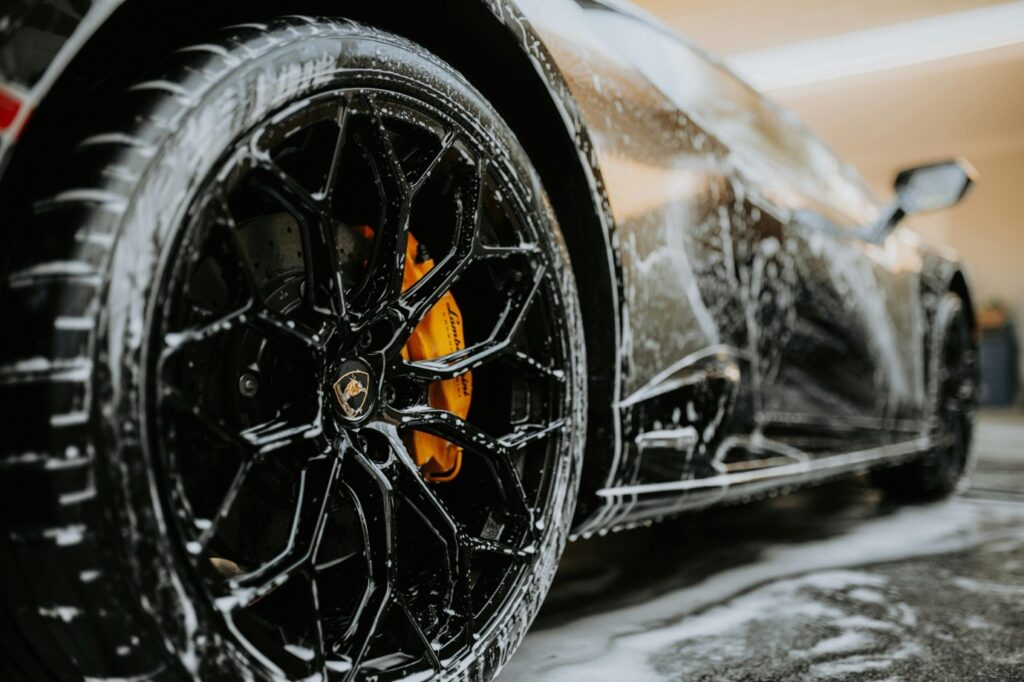
Here’s something most drivers miss: your wheels can start corroding in just hours after hitting salted roads. Yes, that fast. Winter does not wait. If you’ve ever wondered why your rims lose shine by spring, the answer sits right there on the road. Let’s break down how pros keep wheels safe, strong, and spotless.
Why Does Road Salt Destroy Your Wheels So Quickly?
Road salt is not just dirt. It is a chemical weapon for metal. Once it sticks to your wheels, it pulls in moisture like a sponge. That mix eats away at clear coats and metal surfaces. Over time, you see pitting, stains, and dull finishes. Now think about this. Every drive adds a fresh layer. That is why wheel detailing becomes critical in winter. Skip it, and damage builds silently. Stay ahead, and your wheels stay like new.
Surprising Facet 1: Salt Works Even When Your Car Is Parked
You might assume damage stops when the car stops. Not true. Salt keeps reacting with moisture in the air. Even in your garage, corrosion continues. It is like leaving sugar on a wet surface. It keeps melting and spreading.
This is why professionals focus on protection, not just cleaning. Washing alone is not enough. You need a barrier.
What Makes Winter Wheel Care Different From Regular Cleaning?
Summer grime is simple. Dust, brake residue, maybe some mud. Winter grime is aggressive. It sticks harder, penetrates deeper, and dries unevenly. A regular clean wheels car wash may remove surface dirt, but it does not neutralize salt. Professionals use pH-balanced cleaners. These break down salt safely without harming coatings.
Then comes agitation. Soft brushes reach into lug nuts, calipers, and tight corners. That is where salt hides the longest.
Surprising Facet 2: Brake Dust Makes Salt Damage Worse
Brake dust contains tiny metal particles. When mixed with salt and water, it speeds up corrosion. Think of it like adding fuel to a fire.
That is why detailers never treat brake dust casually. They dissolve it with iron removers before applying any protection. If skipped, coatings fail faster. Clean first. Protect next. That order matters.
How Do Sealants and Ceramic Coatings Actually Help?
Here is where the real magic happens. Sealants and ceramic coatings act like invisible shields. They sit on top of your wheel surface and block contaminants. Sealants are great for short-term protection. They last a few months and repel water and grime. Ceramic coatings go deeper. They bond with the surface and last much longer.
When applied right, they make it harder for salt to stick. Cleaning becomes faster. Damage slows down.
Surprising Facet 3: Coated Wheels Stay Cleaner for Longer
This one surprises most car owners. Once coated, your wheels do not just stay protected. They stay cleaner too. Dirt slides off easier. Water beads and carries grime away.
So when you clean car wheels, you spend less time scrubbing and more time enjoying the shine. It is like using a non-stick pan. Everything just comes off smoother.
What Does a Professional Winter Wheel Protection Routine Look Like?
Let’s keep this simple and clear. Here is how experts approach it:
First, deep clean. Remove salt, dirt, and brake dust completely.
Next, decontaminate. Use iron removers to clear hidden particles.
Then, inspect. Look for chips, cracks, or early corrosion.
After that, apply protection. Sealant or ceramic coating based on your needs.
Finally, maintain. Gentle washes keep the layer intact.
Each step builds on the last. Skip one, and results drop.
How Often Should You Detail Wheels in Winter?
Short answer: more than you think. Ideally, every two weeks. If you drive daily, weekly rinses help a lot. Busy schedule? That is where professional services step in. You get deep care without losing your time. Your wheels stay protected while you focus on work or family.
Is DIY Enough or Do You Need a Professional Detailer?
You can handle basic washes at home. But winter protection needs precision. Wrong products can strip coatings. Missed spots can lead to damage. Professionals bring the right tools, products, and techniques. They know where grime hides and how to remove it safely. They also apply coatings evenly for long-lasting results.
If you own a luxury or performance vehicle, this step becomes even more important. Your wheels are not just functional. They are part of your car’s identity.
Conclusion: Protect Now or Pay Later
Winter does not forgive neglect. Salt, grime, and moisture work quietly but aggressively. A simple wash is not enough. You need cleaning, protection, and regular care working together.
When you stay ahead, your wheels keep their shine, strength, and value. And if you want it done right without guesswork, trust XLNC Auto Beauty to deliver detail on wheels, or other services of that level of precision and care every time.
FAQs
1. How does road salt damage wheels?
Road salt attracts moisture and forms a corrosive layer. It breaks down coatings and metal surfaces, leading to rust, stains, and long-term structural damage.
2. Are ceramic coatings worth it for wheels?
Yes. Ceramic coatings create a durable barrier against salt and grime. They last longer than sealants and make cleaning faster and easier.
3. How often should I clean my wheels in winter?
Every one to two weeks is ideal. Frequent rinsing prevents salt buildup and reduces long-term damage.
4. Can I use regular soap to clean wheels?
Regular soap may remove dirt but not salt effectively. Use pH-balanced wheel cleaners designed to break down winter contaminants safely.
5. What is the biggest mistake in winter wheel care?
Skipping protection. Cleaning without applying sealants or coatings leaves wheels exposed to ongoing salt damage.