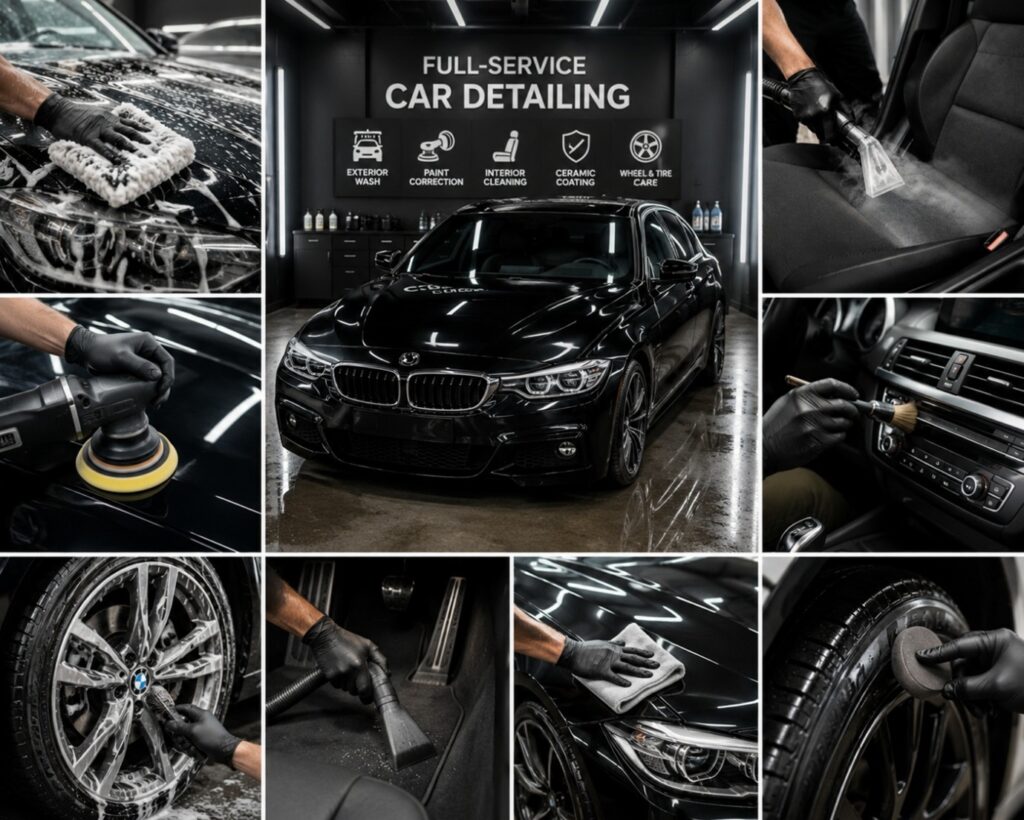
Overview: Daily-driven vehicles exposed to traffic, pollution, UV rays, and changing weather need professional detailing every 3 to 6 months. Quarterly detailing works best for heavy commuters, outdoor-parked cars, and family vehicles. Regular detailing protects paint, prevents interior wear, improves resale value, and reduces long-term restoration costs through proactive maintenance and surface protection.
You wash your car every weekend. The paint still looks dull. The seats feel rough. Dust settles back within hours. Sound familiar?
Daily-driven vehicles take a beating from traffic grime, UV rays, acid rain, brake dust, bird droppings, and coffee spills. That is why many drivers ask: how often should you schedule full-service detailing to actually protect the vehicle long-term?
The short answer: every 3 to 6 months. But the real answer depends on where you drive, how you park, and what your car faces daily.
Why Daily-Driven Cars Need More Than Regular Washes
A quick tunnel wash removes surface dirt. It does not remove embedded contaminants, interior bacteria, road salt buildup, or paint oxidation.
That damage stacks quietly. Like skipping dental cleanings because you brush daily. The surface looks fine until the deeper problems show up.
For commuters, especially in dense urban traffic, full-service detailing works as preventive maintenance. It slows wear, protects resale value, and keeps materials from aging too early.
Here is the surprising part: polluted air can stick to clear coat surfaces and slowly harden into microscopic contamination. That contamination traps heat and speeds paint fading.
Most drivers never notice it until sunlight exposes cloudy paint.
How Often Should You Schedule Full-Service Detailing for Heavy Commuters?
If you drive every day through traffic, construction zones, or changing weather, quarterly detailing is usually the safest schedule.
That means a professional detail every 3 to 4 months.
This works best for:
- Highway commuters
- Families with kids or pets
- Luxury and performance vehicles
- Cars parked outdoors
- Rideshare and business-use vehicles
A quarterly schedule keeps contaminants from bonding permanently with paint and upholstery. It also reduces interior cracking caused by trapped heat and dirt abrasion.
If your vehicle stays mostly garaged and sees lighter driving, biannual detailing every 6 months may work well.
Still, waiting too long creates a domino effect. Dirt grinds into carpets. Leather dries out. Brake dust etches wheels. Then restoration costs climb fast.
Quarterly vs. Biannual Detailing: Which One Fits Your Car?
Here is a simple breakdown:
Driving Condition | Recommended Detailing Frequency |
Heavy commuting and outdoor parking | Every 3-4 months |
Moderate driving with garage parking | Every 6 months |
Luxury or ceramic-coated vehicles | Every 3-5 months |
Family SUVs with pets or kids | Every 3 months |
| Seasonal or weekend vehicles | Twice yearly |
The key is exposure.
A vehicle facing Bay Area fog, heat, tree sap, coastal air, and traffic pollution needs more protection than a lightly used suburban car.
That is why many owners searching for car detailing Oakland services now choose maintenance plans instead of one-time cleanups.
Paint Protection Changes the Timeline
Paint protection matters more now than it did five years ago.
Modern clear coats are thinner. Environmental fallout is harsher. Automated car washes scratch faster than many drivers realize.
Here comes another surprising facet: bird droppings can permanently etch paint in under 48 hours during hot weather.
That is not cosmetic dirt. That is chemical damage.
Professional detailing helps by:
- Decontaminating paint surfaces
- Applying waxes or ceramic coatings
- Reducing UV exposure
- Preventing water spot minerals from bonding
If your vehicle already has ceramic coating, detailing becomes maintenance instead of damage repair. That saves money over time.
Think of it like sunscreen. One application helps, but regular upkeep keeps protection working.
Interior Wear Happens Faster Than Most Drivers Think
Your interior ages every single drive.
Sliding in and out of seats slowly weakens stitching. Dust acts like sandpaper on leather. Food oils stain fabric fibers. Heat dries dashboards from the inside out.
That is why interior detailing matters just as much as exterior polishing.
For commuters, interior sanitization every few months keeps surfaces healthier and easier to maintain. This matters even more for families and pet owners.
Professional detailing can help:
- Remove odor-causing bacteria
- Extract deep carpet debris
- Condition leather surfaces
- Prevent dashboard cracking
- Remove allergens trapped in upholstery
If you use your vehicle daily for work meetings or client visits, a clean cabin also shapes perception. People notice neglected interiors instantly.
What Happens When You Wait Too Long?
Delaying detailing often creates irreversible wear.
Oxidized paint may require paint correction instead of light polishing. Stained seats may need restoration instead of cleaning. Mold buildup inside vents can create lingering odors that standard shampoos cannot remove.
This is where many owners suddenly ask how often should you detail your car after problems already appear.
Preventive detailing costs less than corrective restoration.
That is the difference between maintenance and repair.
Mobile Detailing Is Changing Maintenance Habits
Busy schedules stop many people from maintaining their vehicles properly.
That is why mobile car detailing Oakland services have become popular among professionals and families. Vehicles get cleaned while owners work, attend meetings, or stay home with children.
Convenience improves consistency.
And consistency protects value.
A properly maintained vehicle often sells faster because buyers connect cleanliness with overall care. Even small details matter. Clean door jambs. Clear headlights. Fresh interiors. Smooth paint reflections.
Those signals build trust before the engine even starts.
How to Know Your Car Needs Immediate Detailing
Do not wait for visible damage alone.
Your vehicle likely needs detailing if you notice:
- Rough paint texture after washing
- Lingering interior odors
- Water spots that do not rinse away
- Faded trim or cloudy paint
- Pet hair embedded in fabric
- Sticky steering wheels or center consoles
These are early warning signs. Catching them early keeps restoration simpler and cheaper.
Final Thoughts
For most daily-driven vehicles, professional detailing every 3 to 6 months keeps paint, interiors, and protective surfaces in strong condition. Heavier commuting, harsh weather, and outdoor parking shorten that timeline quickly.
The smartest owners treat detailing as preservation, not appearance alone. That mindset protects comfort, value, and long-term durability.
XLNC Auto Beauty helps daily-driven vehicles stay cleaner, protected, and resale-ready with tailored detailing and restoration solutions built for real-world driving. Connect with us at : (510)-467-8404 or write to us at xlncautobeauty@gmail.com!
FAQs
1. How often do you detail cars for daily commuting?
Daily-driven vehicles usually need professional detailing every 3 to 4 months to protect paint, upholstery, and interior surfaces from pollution and wear.
2. Does ceramic coating reduce detailing frequency?
Yes. Ceramic coatings reduce contamination buildup, but maintenance detailing every few months still keeps the coating effective and long-lasting.
3. Can detailing improve resale value?
Yes. Clean interiors, polished paint, and protected surfaces help vehicles look well-maintained, which improves buyer confidence and resale appeal.
4. Is interior detailing necessary if the car looks clean?
Yes. Dirt, bacteria, allergens, and oils build below the surface even when interiors appear clean during quick visual inspections.
5. What is included in full-service detailing?
Most full-service detailing includes exterior decontamination, paint treatment, wheel cleaning, interior vacuuming, stain removal, sanitization, and protective conditioning.