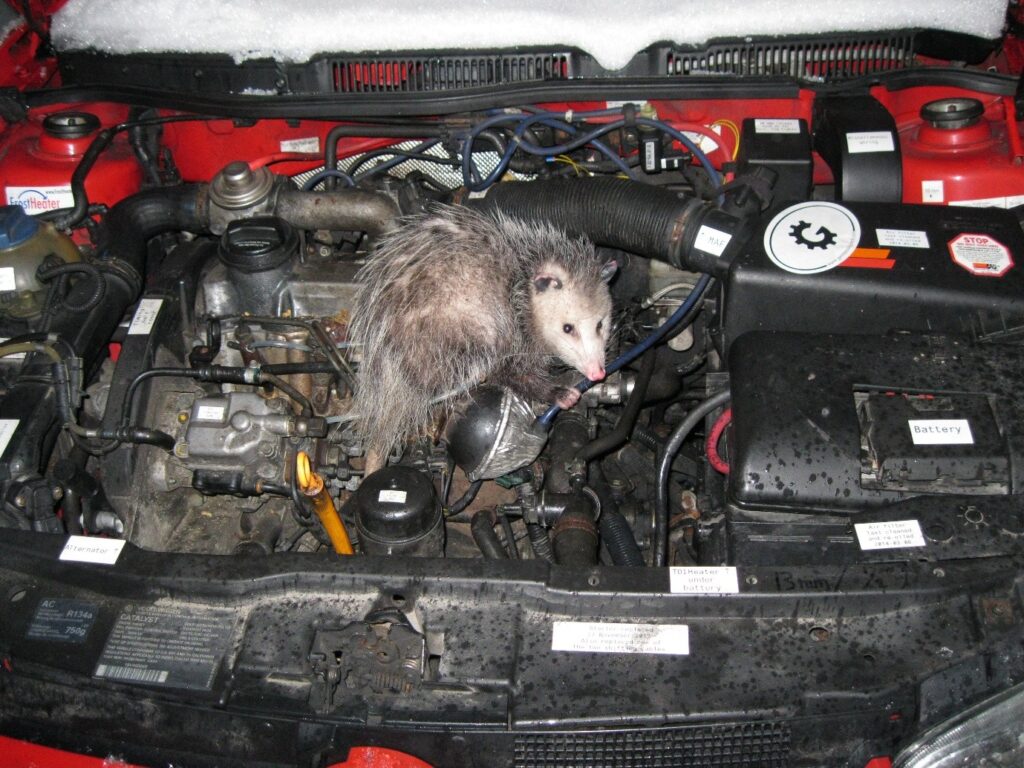
You open the hood, expecting a clean engine. Instead, you find shredded insulation, chewed wires, and a strange smell. That is not just bad luck. A rodent nest in car engines can cost you big money, sudden breakdowns, and even fire risks. Let’s break down why this happens and how you can stop it fast.
Why Do Rodents Choose Your Engine Bay? It’s Not Random
Think like a rodent for a second. Small, cold, always hiding. Your engine bay feels like a five-star hotel.
First, warmth. After a drive, your engine stays warm for hours. For a rat or mouse, that is perfect shelter, especially during colder nights.
Second, safety. The engine bay is tight and hidden. Fewer predators. Less noise. Easy to sneak in and out.
Third, nesting material. Modern car wiring often uses soy-based insulation. It smells like food. So yes, your car literally smells edible.
That is why rodents nesting in car engines are way more common than you think.
What Makes Your Car a Target? Hidden Risk Factors You Overlook
Not every car gets attacked. Some habits increase your risk.
- Long parking periods: Cars left unused become quiet shelters
- Outdoor parking: Open areas invite rodents easily
- Nearby food sources: Garbage bins, pet food, trees
- Seasonal shifts: Winter and rainy months drive rodents indoors
- Cluttered garages: More hiding spots, less disturbance
If your car sits still too long, it becomes an open invitation.
What Damage Are We Talking About? It’s Worse Than It Looks
You may think it is just a small nest. It is not.
Rodents chew. Constantly. Wiring, hoses, insulation. One bite can trigger warning lights. Another can stall your engine. In extreme cases, exposed wires can spark and cause fires. Then comes the smell. Urine and droppings seep into vents. Your AC spreads it inside the cabin. Now you are dealing with both mechanical and hygiene issues.
Expert Insight: Why Cleaning Alone Is Not Enough
“As a detailing specialist, I often see cars cleaned on the surface but still carrying scent trails,” says a senior automotive preservation expert. “Rodents follow scent memory. If you do not neutralize it at the molecular level, they come back.”
That is the missing piece. Cleaning must go deeper than what you see.
How Do You Remove a Nest Properly? Avoid Costly Mistakes
Do you find a rats nest in car engine or even a mouse nest in car engine. What now?
- Do not rush. Start with safety. Gloves. Mask. Rodent droppings can carry bacteria.
- Remove debris carefully. No blowing air. That spreads contaminants.
- Then comes deep cleaning. Use enzyme-based cleaners. These break down organic scent markers. Regular soap will not do the job.
- Next, inspect every wire and hose. Even small bite marks can grow into big problems.
How to Keep Animals from Nesting in Your Car? Smart Prevention That Works
You do not need guesswork here. You need a system.
- Run your car often: Movement discourages nesting
- Keep the engine bay clean: Remove leaves, dirt, and debris
- Use scent deterrents: Peppermint oil, commercial repellents
- Install physical barriers: Mesh around entry points
- Choose smart parking: Avoid tall grass, trash areas
If you are wondering how to keep animals from nesting in car, consistency is your best defense.
Detailing-Level Protection: The Step Most People Skip
Here is where professional detailing changes the game.
A proper engine bay detail is not just about looks. It removes organic residue, oils, and scent trails that attract rodents. Advanced services include steam cleaning, enzyme treatment, and protective coatings. These reduce odor retention and make surfaces less inviting. For high-end vehicles, this step protects both performance and resale value. It is not extra. It is essential.
Storage Habits That Quietly Protect Your Car
If your car sits for days or weeks, adjust your approach. Park in a sealed garage when possible. Use car covers with snug fits. Avoid leaving food or wrappers inside. Even small habits matter. A clean, active, and well-maintained car is far less appealing to pests.
Conclusion: Stop the Problem Before It Starts
Rodents do not choose your car by chance. They follow warmth, scent, and shelter. Once they settle in, the damage spreads fast. The good news is, you can stop it early with the right cleaning, smart habits, and targeted protection.
If you want lasting results, we at XLNC Auto Beauty focus on deep cleaning, scent removal, and long-term protection that keeps your engine bay uninviting to pests and ready for the road.
FAQs
1. Why do rodents chew car wires?
Rodents chew to keep their teeth sharp. Modern wire coatings made from soy attract them, making your car wiring an easy target.
2. Can a rodent nest damage my engine performance?
Yes. Chewed wires, blocked airflow, and damaged hoses can reduce performance, trigger faults, or even cause engine failure.
3. How often should I check my engine for nests?
Check every few weeks, especially if your car is parked outdoors or unused for long periods.
4. Do repellents really work?
They help, but only when combined with cleaning and regular use of the vehicle. Alone, they are not enough.
5. Is professional detailing necessary for prevention?
It helps a lot. Deep cleaning removes scent trails and organic residue, which are the main reasons rodents return.